Why Full Moon Nights at Rann Utsav Are Unmissable
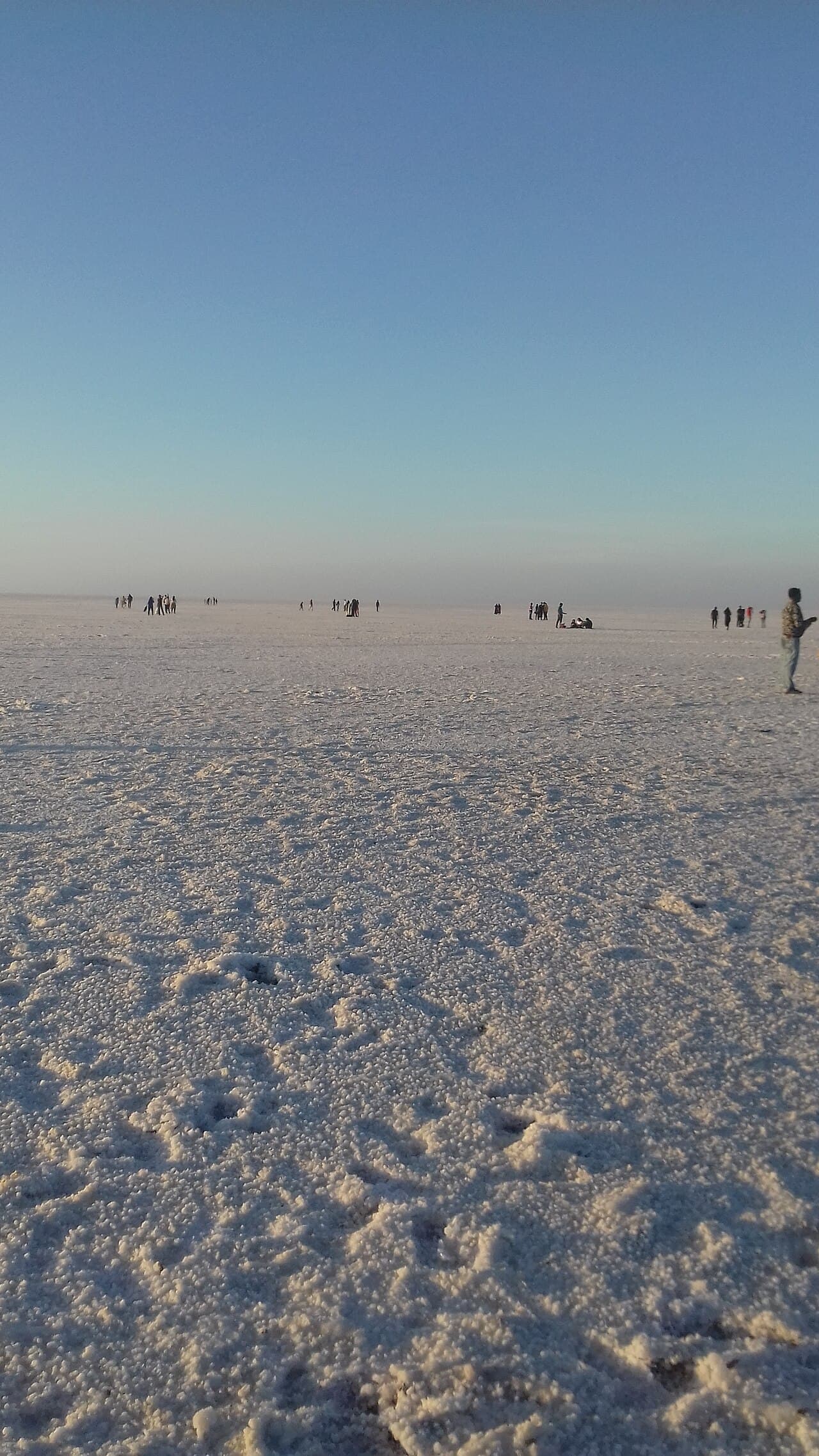
There is a moment — usually around 9 pm, when the last of the sunset glow dissolves and the full moon climbs above the horizon — when the White Rann becomes something that has no adequate description. The salt crust, bleached white over centuries, reflects the moonlight back with such intensity that it seems to glow from within. Shadows are crisp. Distances collapse. The horizon, flat and unbroken in every direction, merges with a sky so dense with stars that you genuinely forget you are on Earth.
This is not hyperbole. Thousands of travellers who visit the Rann Utsav every season name full moon night as the single experience they would return for. Photographers plan trips months in advance around these dates. Couples book them for anniversaries and proposals. Families make the journey specifically so their children can see something unrepeatable.
The 2026-27 Rann Utsav season runs from October 2026 through March 2027, and within that window there are exactly six full moon nights. Each is distinct — different weather, different crowd levels, different emotional quality. Choosing the right one is not complicated once you understand what makes each unique.
The Six Full Moon Nights of 2026-27 — Dates and Character
October 25, 2026 — The Pre-Season Opening Moon
The October full moon falls in the weeks just before the official season opening ceremony, during what locals call the "soft launch" period. The Tent City at Dhordo is operational but not yet at full capacity — activities are running, food is available, and the cultural programme is underway, but the crowds of peak season have not yet arrived.
The weather in late October is warm — days reaching 30°C and nights hovering around 18-20°C. You will not need heavy woollens, which makes this moon particularly accessible for travellers from warmer climates who are less accustomed to cold desert nights. The light on the salt desert at this time of year has a golden quality in the hours just before moonrise — the transition from golden-hour to full-moon illumination happens relatively quickly and is stunning to photograph.
Availability in October is better than any other full moon night. If your schedule is flexible and you want the experience without competition for accommodation, October 25 is worth serious consideration.
November 23, 2026 — The Season-in-Stride Moon
By late November, the Rann Utsav season is fully operational. All tent categories — from the standard Non-AC tents at ₹5,900 per night to the premium Rajwadi tents — are open. The cultural calendar is in full swing, with folk performances, Garba nights, craft bazaars, and desert safaris running daily. This is the first full moon of the true peak season.
November nights are cool but not bitterly cold — expect temperatures between 12 and 16°C after midnight. A light jacket or shawl is sufficient. The Rann itself is at its photographic best in November: the monsoon has fully retreated, leaving the salt surface clean and reflective, and the air is exceptionally clear.
This is a popular choice for first-time visitors who want the full festival experience combined with the full moon. Book at least eight weeks in advance for November 23.
December 23, 2026 — The Winter Solstice Moon
The December full moon arrives just two days before Christmas and two days after the winter solstice — the longest night of the year in the northern hemisphere. It is objectively the most dramatic full moon night of the Rann Utsav season. The moon has maximum time in the sky, the air is at its clearest and coldest, and the combination of the solstice and Christmas proximity means the Tent City hosts special programming that no other full moon receives.
Temperatures on December 23 nights can drop to 6-8°C, and with the desert's complete lack of windbreaks, the wind chill can feel significantly colder. Pack thermal base layers, a down jacket, and a warm hat. This is not optional — visitors who underprepare for December cold consistently report it as their only regret.
In return for those temperatures, you receive the clearest skies of the season, the longest moonlit night, and a Tent City atmosphere charged with festive energy. The bazaar is at peak capacity, the folk performances are their most elaborate, and the mood is celebratory. This is the night most frequently described as "life-changing."
Expect this date to sell out 10-12 weeks in advance. If you are planning a December visit, December 23 should be your first choice and you should book the moment you read this.
January 22, 2027 — The Deep Winter Moon
January's full moon arrives in the heart of what locals call the "cold stretch" — the eight or so days in mid-to-late January when temperatures in the desert routinely drop below 5°C after midnight. This is not a deterrent; it is the point. Visitors who come in January specifically for the cold are often the most experienced Rann Utsav travellers, returning for their second or third season.
The January 22 moon benefits from everything that made December's moon beautiful, but with one addition: the Uttarayan kite festival falls on January 14, eight days earlier, bringing an enormous cultural energy to Kutch that lingers through the month. The regional atmosphere is festive in a distinctly local way — less tourist-facing, more authentically Gujarati.
Photography on January 22 is exceptional. The cold has settled all dust, visibility can exceed 40 kilometres on clear nights, and the salt crust tends to be at its most intact — no summer cracking, no monsoon dissolution. Stars are at their most densely visible.
This moon is slightly less crowded than December because of the cold deterrent, which means accommodation is marginally easier to secure — though still book six to eight weeks ahead for preferred tent categories.
February 20, 2027 — The Gentle Exit Moon
February brings a change in character. The cold has begun to soften — nights drop to 12-15°C rather than single digits — and the season starts its gradual wind-down. The February 20 full moon is the last moon that falls within what most visitors consider the "classic" Rann Utsav experience before the warming of March.
This is an excellent choice for travellers who want full moon magic without the severe cold, or those who could not secure accommodation for December and January. The Tent City is slightly less crowded than peak season — the bazaar is still fully operational, cultural shows are running, and all tent categories are open — but there is a quieter, more contemplative quality to February evenings.
Couples consistently rate February as their preferred month. The combination of softened weather, lower crowds, and romantic atmosphere under the full moon makes it a natural choice for anniversaries and honeymoons.
March 22, 2027 — The Farewell Moon
The final full moon of the 2026-27 season falls on March 22, just nine days before the Tent City closes on March 31. There is a particular atmosphere to this moon that experienced Rann visitors describe with fondness — the bittersweet quality of a season drawing to its end, the warmth of March afternoons (reaching 32-35°C), and the clarity of nights that have none of winter's harshness but all of its luminosity.
March is not suitable for visitors who want the cold-desert experience. But for travellers visiting from cooler climates who find winter temperatures challenging, March 22 is genuinely beautiful. The salt surface is still intact, the moon is full, and the Tent City hosts its closing-season celebrations with particular energy.
How to Book a Full Moon Night at Rann Utsav
The booking process for full moon nights is identical to standard nights but the timing is critical. Here is what to do:
Start by visiting the packages page and selecting your preferred dates. Full moon nights typically carry a premium supplement — usually 15-20% above the standard nightly rate — but this is standard across all booking partners. At ₹5,900 base for a 1-night package, the full moon supplement is modest relative to the experience.
Book at least two to three months in advance for October and February moons, and three to four months for November, December, January, and March. If you are reading this in April 2026, the December 23 moon is already worth acting on immediately.
Photography Tips for Full Moon Night
Arrive at the salt desert viewpoint by 7:30 pm to catch the transition from twilight to moonrise. Bring a tripod — long exposures of 10-30 seconds will render the salt surface as almost luminous. Set your ISO between 400 and 1600 depending on your camera's noise performance. A wide-angle lens (14-24mm equivalent) will capture the scale of the desert in relation to the moon.
For phone photographers: use Night Mode if your phone has it, and stabilise the phone against your body or a bag. The salt desert is bright enough under a full moon that phone cameras can capture surprising detail.
The blue hour immediately after moonrise — roughly 8:30 to 9:30 pm — is when the sky transitions from deep blue to full night. This window produces the most dramatic images, with the moon casting its first long shadows across the salt.
Booking Timeline Summary
If you are planning around a specific full moon, here is the recommended booking window for each date in the 2026-27 season: October 25 — book by mid-August; November 23 — book by mid-September; December 23 — book by mid-October (ideally earlier); January 22 — book by mid-November; February 20 — book by mid-December; March 22 — book by late January 2027.
All six nights are worth experiencing. If you can only choose one, December 23 offers the greatest combination of atmosphere, weather drama, festival energy, and moonlit magic. If you want the experience without the cold, November 23 or February 20 will not disappoint.
The White Rann under a full moon is one of the genuinely singular experiences available on the Indian subcontinent. Book early, pack warmly, and go.