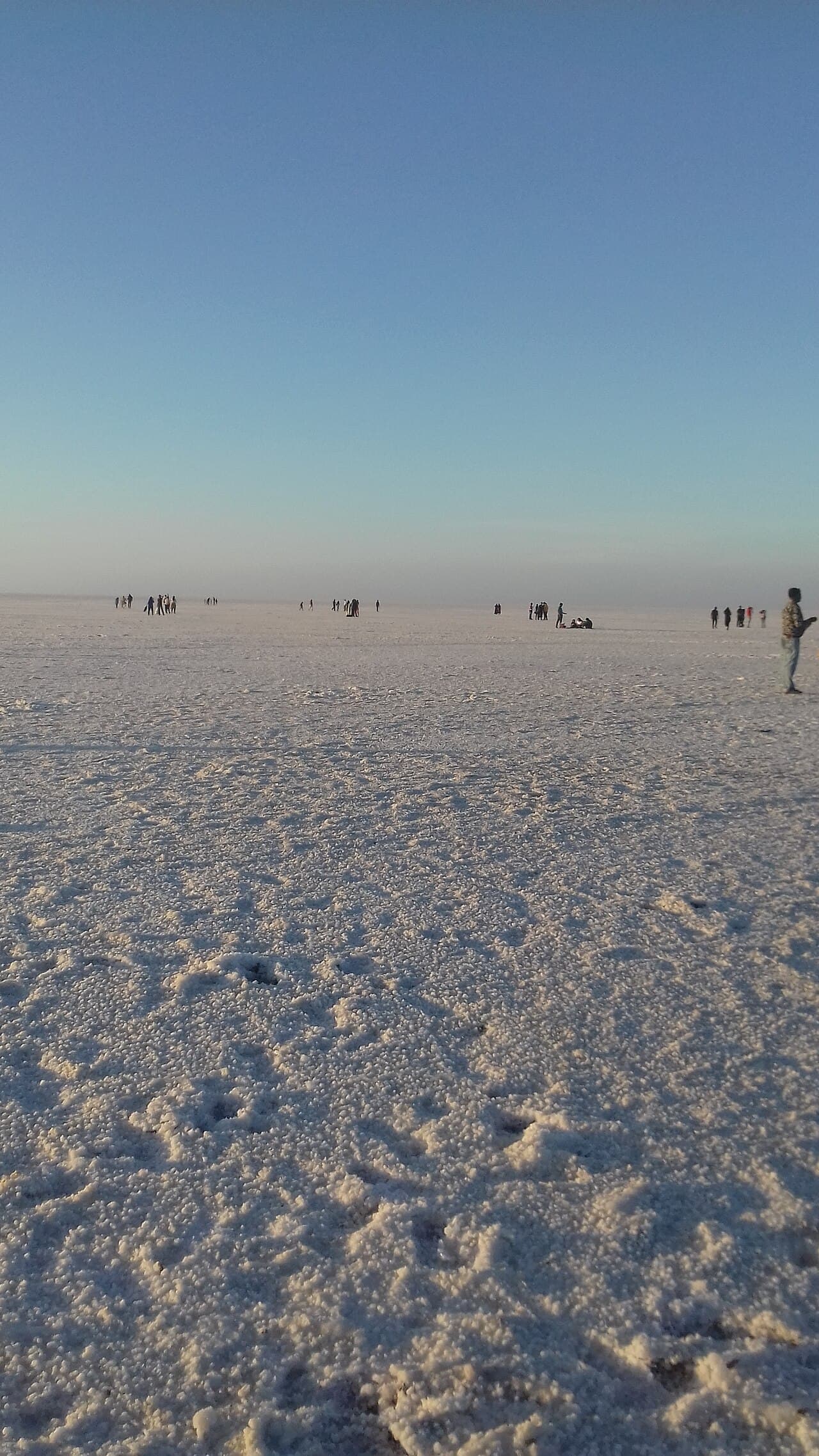
How to Pack for the White Desert
Packing for Rann Utsav requires thinking about two different environments that co-exist in the same 24-hour period: warm, sunny afternoons where temperatures in December can reach 25°C, and cold, windswept desert nights where the same date can drop to 6°C or below. The salt desert has no shelter, no trees, and a wind that seems to arrive from all directions simultaneously. The Tent City has heating in premium tent categories but standard tents rely on bedding and blankets. Getting your kit wrong costs comfort; getting it right can make the difference between a transformative experience and an uncomfortable one.
This guide is organised by category and by month, because what you need in October is genuinely different from what you need in January.
Clothing: The Core List
Base Layers (Priority: Critical for Dec-Feb)
Two thermal base layer sets are the single most impactful addition to any Rann Utsav packing list for winter months. Merino wool base layers are ideal — they regulate temperature in both directions, keeping you warm when cold and not overheating you when walking in afternoon sun. Synthetic thermals are a fine budget alternative. Pack one set to wear and one clean set. These are the items most often regretted when left at home.
Insulating Mid-Layer
A down or synthetic-fill jacket is essential for November through February. The kind of jacket you would wear in a Delhi winter evening is the right weight — not a full ski parka, but not a light fleece either. For October and March visits, a heavy fleece or a light down layer is sufficient.
Outer Layer (Wind and Occasional Drizzle)
A lightweight windproof shell jacket is valuable. The Rann desert wind is consistent and penetrating, and even in dry weather a windproof layer over your down jacket makes a significant difference to comfort during the evening salt desert walk. A shell does not need to be waterproof — Kutch is extremely dry during the festival season — but wind resistance matters.
Daytime Clothing
Days at Rann Utsav during peak season are genuinely warm. Three to four changes of light daytime clothing — cotton or linen shirts, light trousers — are sufficient for a standard 3-night stay. Avoid synthetics that retain sweat in the midday heat. One smart-casual outfit is worthwhile for the evening cultural programme; the Tent City has a festive atmosphere and while there is no dress code, guests who make a small effort generally enjoy themselves more.
Footwear
This is where many visitors make errors. The salt flat surface is uneven, crystalline, and can be wet in patches depending on rainfall — high heels and thin-soled sandals are genuinely impractical. Bring:
- Comfortable closed walking shoes or trainers for daytime activities and Rann walks - Warm socks (two to three pairs — cold feet at night are the most common complaint) - A pair of slip-on sandals or flip-flops for inside the tent and around the Tent City
If you are coming in December or January, thermal socks are worth buying.
Accessories for Night Walks
A warm hat or beanie is essential for anyone visiting between November and February. Wool or fleece, covering your ears. Lightweight thermal gloves. A scarf that can be used as a neck warmer or pulled over your face in wind. These three items pack into the corner of any bag and make an enormous difference to the salt flat experience after dark.
Camera Gear and Electronics
For DSLR and Mirrorless Photographers
A wide-angle lens (14-24mm full-frame equivalent) is your primary tool for landscape work on the Rann. A standard 50mm is useful for folk performer portraits in the cultural programme. A tripod is non-negotiable for full moon night photography — hand-held long exposures on the salt flat produce blurry results regardless of camera quality. Bring extra batteries; cold temperatures drain batteries faster, and you will likely be shooting for three to four hours on a full moon night.
Memory cards: bring more than you think you need. The combination of landscape, night photography, cultural performances, and artisan portraits typically generates 500-800 RAW files over a 3-night stay for active photographers.
For Smartphone Photographers
Modern iPhone and Android flagships produce excellent results on the Rann, particularly in Night Mode. A small travel tripod (the GorillaPod type) makes a meaningful difference for stability. A portable power bank is essential — smartphone batteries in cold conditions drain at double or triple the normal rate.
Universal Electronics Kit
- Universal travel adaptor (tents have power sockets but plug type can vary) - Portable power bank, 20,000 mAh or above - Charging cables for all devices - Earphones for evening listening in the tent - Headlamp or torch (for walking the Rann at night — phone torches are inadequate and drain batteries)
Toiletries and Health
Standard Toiletries
The Tent City has en-suite bathroom facilities in most tent categories, so standard toiletries apply. The desert air is extremely dry — lip balm, moisturiser, and hand cream are used far more heavily here than in normal travel. Bring quantities accordingly.
Health Essentials
- Personal medications (the nearest full pharmacy is in Bhuj — 85 km away) - Antacid tablets (the festival food is delicious but rich) - Rehydration salts (you lose water faster than expected in dry desert air) - Sunscreen SPF 50+ (the salt flat reflects UV aggressively — even in winter, midday exposure is significant) - Sunglasses (polarised are ideal for the salt flat — the glare is intense) - Basic first aid: plasters, antiseptic wipe sachets, pain relief tablets
For December and January Specifically
Cold and flu medication. The temperature swings between warm afternoons and cold nights are exactly the conditions that trigger illness in travellers. Carrying paracetamol, a decongestant, and throat lozenges adds 100 grams to your bag and could save your trip.
Documents and Payment
Essential Documents
- Government-issued photo ID (Aadhaar, PAN, Passport, or Driving Licence) — required at Tent City check-in - Booking confirmation (digital or printed) - Entry permit for the White Rann (usually provided as part of the Tent City package — confirm with your booking) - Any medical prescriptions if carrying non-OTC medication
Payment
The Tent City has a cashless card payment system at most vendors, but cash remains useful for the artisan bazaar, tips, and small purchases from independent vendors around the site. Bring ₹3,000-5,000 in cash in addition to your cards. The nearest ATM is in Bhuj — there are no reliable ATMs at Dhordo village.
What NOT to Bring
**Do not bring:** Large suitcases or hard-sided luggage. The Tent City tents have limited storage, access paths are sometimes on soft ground, and if you are also doing day trips around Kutch, large bags are impractical. A 65-litre backpack or a medium-sized soft duffel is ideal. Two bags of this size for a couple is the maximum recommended.
**Do not bring:** Alcohol. Gujarat is a dry state — possession and consumption of alcohol is illegal and can result in serious consequences. The Tent City does not serve alcohol and bringing it is not worth the risk.
**Do not bring:** Drones without prior permission. The Rann is in a border-sensitive zone and drone use is regulated. Permits are available but require advance application — do not assume you can fly without one.
**Do not bring:** Heavy perfumes or strongly-scented products for the evening desert walk. The salt flat in silence, under a full moon, with clear dark skies, is the setting — strong artificial scents disrupt the experience for everyone nearby.
Luggage Size Guide
For a 1-night/2-day stay: a 20-litre daypack is enough if you pack efficiently. For a 2-night/3-day stay: a 35-40 litre backpack is ideal. For a 3-night/4-day stay: a 55-65 litre backpack or medium-sized duffel covers everything including a camera kit.
Pack for layers rather than bulk. Most experienced Rann visitors say their best trip was the one where they packed lightest — the desert teaches you that the experience requires nothing but your presence and the right warmth.