Two Kutch Experiences, Two Different Kinds of Wonder
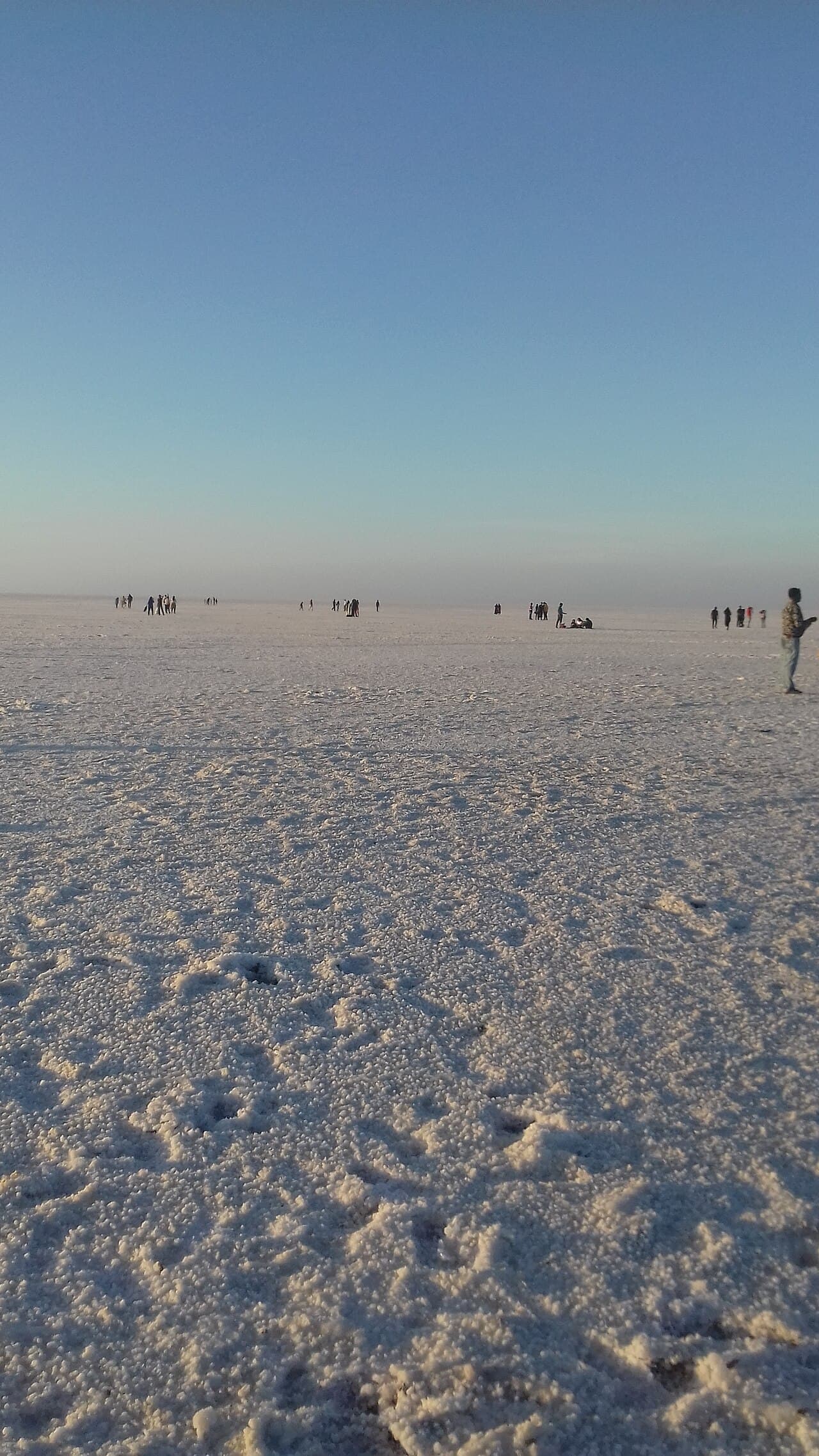
Gujarat's Rann of Kutch offers two experiences that are genuinely unlike anything else in India — and unlike each other. The Rann Utsav Tent City at Dhordo puts you on the edge of the White Rann, one of the world's largest salt deserts, surrounded by a full festival programme of folk culture, camel rides, and moonlit desert walks. The Dholavira Tent City places you beside one of the oldest and best-preserved Harappan cities on the subcontinent, a UNESCO World Heritage Site where 5,000-year-old urban planning is visible in the stone.
Both involve sleeping in well-appointed desert tents. Both are located within Kutch district. Both run through the October-March season. Yet they attract different types of travellers, offer different emotional experiences, and reward different kinds of curiosity. This guide gives you the information you need to choose — or to plan a combined itinerary that includes both.
The Core Difference: Festival Energy vs Archaeological Depth
The fundamental distinction is atmosphere. Dhordo's Tent City is a festival. There is music every evening — folk performers, Garba nights, Sufi singers, and cultural shows run by Gujarat Tourism. The bazaar sells Kutchi embroidery, block prints, and local food. Camel rides, jeep safaris into the salt desert, and ATV adventures are bookable on-site. The mood is celebratory, social, and vibrant. If you are travelling with family, a group, or on a honeymoon where the shared experience of a lively festival matters, Dhordo is the right choice.
Dholavira is quieter by design. The attraction is the archaeological site itself — a 100-hectare Harappan city with visible city walls, reservoirs, a sophisticated sewage system, and public spaces that would not look out of place in a modern planned city. The tent accommodation exists to allow you to experience the site at dawn and dusk without the 4-hour drive from Bhuj, and to explore the surrounding landscape of Khadir Island, which has its own austere beauty. If you are an independent traveller, history enthusiast, or someone who finds large crowds exhausting, Dholavira offers a fundamentally different kind of richness.
Location and Access: Dhordo vs Dholavira
Dhordo village, where the main Rann Utsav Tent City sits, is approximately 85 kilometres from Bhuj — roughly a 1.5 to 2-hour drive depending on road conditions. The road is well-maintained during the festival season and regular shuttle services operate from Bhuj. Closer base alternatives include Bhirandiyara (about 5 km from the Tent City) for travellers who prefer a village guesthouse.
Dholavira is further and more remote. The site sits on Khadir Island in the Great Rann of Kutch, approximately 230 kilometres from Bhuj — a 4 to 5-hour drive. The journey itself passes through some of Kutch's most dramatic landscape: the vast Rann flats, salt pans, and occasional flamingo-dotted waterbodies. The remoteness is part of the appeal for many visitors, but it demands more planning. Dholavira town has basic facilities; the tent accommodation provided during the festival season adds comfort that the local infrastructure alone cannot offer.
Cost Comparison: What You Get at Each Price Point
Both experiences are priced comparably for the tent accommodation itself, but the overall trip costs differ because of distance and the range of activities.
At Dhordo Tent City, packages begin at ₹5,900 per night for a Non-AC tent in the 1-night/2-day format. The ₹11,500 tier covers 2 nights/3 days and includes most activities. The ₹16,000 package covers 3 nights/4 days with the full festival experience and tends to include a jeep safari and cultural evening pass. Food at the Tent City dhaba is additional unless you choose a meals-inclusive package variant.
At Dholavira, tent accommodation during the festival season is similar in base pricing, but activities are less extensive — the experience is primarily the archaeological site plus guided walks. The trade-off is that you are essentially buying quiet and exclusivity rather than festival energy, and for many travellers that is precisely what they want.
Travel costs to Dholavira are higher. Budget an extra ₹2,000-3,000 per person for the additional distance if hiring a vehicle, or factor in the additional overnight required by many Dholavira itineraries given the 4-hour journey each way.
Activities Comparison
What Dhordo Tent City Offers
The Dhordo experience is built around a programme that gives you something to do every hour of the day if you want it. Morning options include camel rides onto the salt flat at sunrise, yoga sessions, and craft workshops. Afternoons bring ATV rides, jeep safaris into the Rann, and visits to the viewpoint at the edge of the White Rann. Evenings are the centrepiece: folk dance performances, puppet shows, Garba nights, Sufi music, and the cultural show. After the show, the option to walk onto the moonlit salt flat under open sky is available to all guests.
The bazaar at Dhordo is itself an experience — Kutchi artisans sell embroidery, mirror-work textiles, lacquered furniture, and handmade jewellery. For travellers interested in the Kutchi craft tradition, an afternoon in the bazaar is as rewarding as the desert walk.
What Dholavira Offers
At Dholavira, the primary activity is the archaeological site — but this requires context to appreciate fully. Hire a guide (available at the site entrance for ₹300-500) who can explain what you are looking at: the large reservoirs that supplied water to a city of 20,000 people, the sophisticated drainage channels, the public ceremonial spaces, the private residential quarters. Without a guide, the ruins read as stone structures; with one, they become a 5,000-year-old city that you can mentally walk through.
Beyond the site itself, the surrounding Khadir Island landscape is extraordinary in the early morning and late afternoon light. The island is surrounded by the Rann on all sides and has a quality of isolation that is increasingly rare in India. Birding is excellent: flamingos, cranes, and various raptors are visible. The sunsets from the edge of the island, looking across miles of white salt flat, are among the best in Gujarat.
Who Should Choose Which Experience
**Choose Dhordo Tent City (Rann Utsav) if:** You are travelling with family, children, or a group and want a structured programme. You have never visited Kutch before and want the quintessential introduction to Rann Utsav. You are going specifically for a full moon night. You want the energy of a major cultural festival. You are on a tighter timeline (three to four days round-trip from any major city is achievable).
**Choose Dholavira Tent City if:** You are a history enthusiast or architect fascinated by pre-historic urban planning. You prefer quieter, more contemplative travel. You have already visited the Rann Utsav at Dhordo and want to explore Kutch more deeply. You are travelling solo or as a couple seeking solitude. You have a week or more in Kutch to explore at a slower pace.
Can You Do Both? The Combined Itinerary
Yes, and many repeat visitors do. The standard combined itinerary is five to six days total. Days one and two: Bhuj arrival, acclimatise, day trip to Bhuj museum and Aina Mahal. Days two and three: transfer to Dhordo, two nights at Rann Utsav Tent City including at least one evening cultural programme and a Rann walk. Day four: drive from Dhordo to Dholavira via Bhuj (route is more practical this way — approximately 5-6 hours total). Days four and five: two nights at Dholavira, explore the archaeological site with a guide, early morning and sunset walks. Day six: return to Bhuj and onward journey.
This itinerary works particularly well if you time a full moon night at Dhordo, since the Dholavira leg provides two nights of quieter contrast after the festival energy.
Final Verdict
For most first-time visitors to Kutch, Dhordo Tent City and the Rann Utsav festival is the right starting point. It is more accessible, more varied in activities, and offers the experience that most people picture when they think of the White Rann. At packages from ₹5,900 per night, it is also exceptional value for what you receive.
Dholavira rewards the curious, the historically inclined, and the traveller who has already ticked the Rann Utsav box and wants to go deeper into Kutch's extraordinary layers of history and landscape. If you have time, do both — they complement each other perfectly.