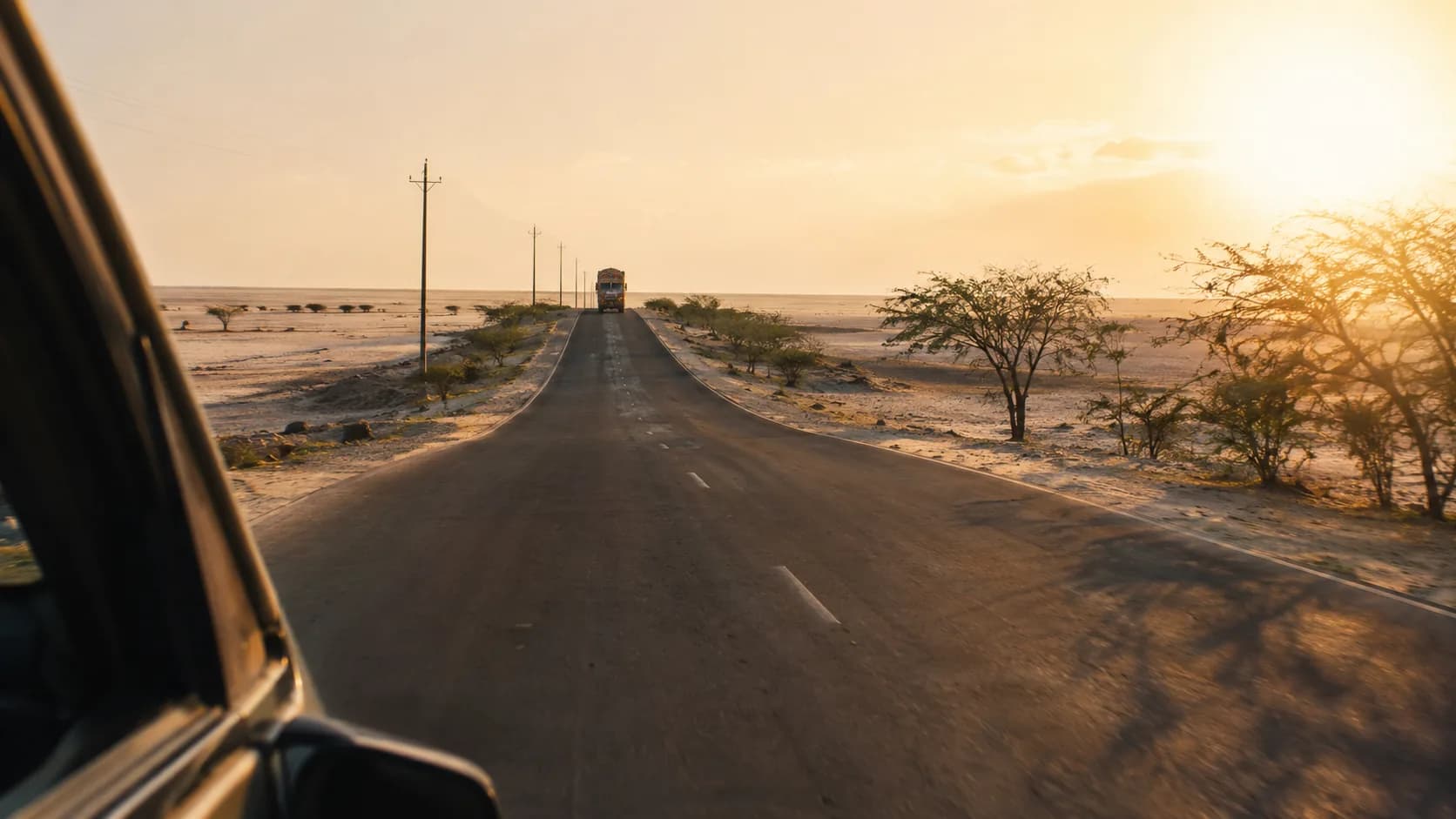
The White Rann on the World Stage
The Great Rann of Kutch has been known to Indians for generations, but it is only in the last decade that the Rann Utsav has begun to appear on the itineraries of international travellers and NRIs returning to India who want to see something genuinely unlike anything else in the country. And once seen, it tends to stay with people in the way that very few travel experiences do. The combination of an extraordinary natural landscape — the salt flat at full moon is routinely described as one of the most visually overwhelming experiences in the Indian subcontinent — and a rich, living cultural festival makes it a destination that international visitors consistently place among the highlights of their time in India.
This guide is written for NRIs and international tourists who want to plan a Rann Utsav visit carefully and well, with specific attention to the administrative and practical details that residents of India often take for granted but that international visitors need to know in advance.
The Inner Line Permit: What It Is and Why It Matters
The most important administrative detail for any international visitor to the Rann Utsav is the Inner Line Permit. The White Rann of Kutch falls within a border zone — Kutch borders Pakistan along the Sir Creek — and access to the actual salt flat and the surrounding area requires an Inner Line Permit (ILP) for foreign nationals.
Permit requirements depend on the itinerary and the authorities. Ask the relevant accommodation or tour provider to confirm what is included and what identification is required before payment. Rannutsavtickets.in is operated by The Tourism Experts LLP as an independent travel booking business and can request these details from the supplier when preparing your written quote.
NRIs travelling on an OCI (Overseas Citizen of India) card, a PIO card, or on an Indian passport do not require an Inner Line Permit and are in the same administrative position as Indian residents for the purpose of visiting the Rann. However, if you hold a foreign passport — including dual citizenship in many countries — you will need the ILP. When in doubt, disclose the relevant passport details at the time of booking and let the team confirm your specific requirements.
Visa Requirements for the Rann Utsav
The Rann Utsav itself does not impose any visa requirements beyond those that India imposes on the nationality in question. Citizens of most countries can obtain an e-Visa for India online before travel, which covers tourism purposes and is valid for visits of up to thirty, sixty, or ninety days depending on the type of e-Visa obtained. Citizens of a smaller number of countries are required to apply for a visa through an Indian embassy or high commission.
Check the Indian e-Visa portal or contact the nearest Indian diplomatic mission well in advance of your travel date. e-Visas are typically processed within three to five working days, but during peak travel periods this can extend. For Rann Utsav visits planned for December or January — the most popular months — ensure your visa is secured at least three to four weeks before departure.
The Best Way to Fly In
Bhuj airport, officially known as Bhuj Rudra Mata Airport, is the closest airport to the Rann Utsav tent city at Dhordo, approximately 80 kilometres away. It has domestic flight connections from Mumbai (approximately one hour fifteen minutes) and Ahmedabad (approximately one hour). For international visitors, the most practical routing is to fly into Mumbai or Ahmedabad on an international flight and then connect to Bhuj on a domestic sector.
Mumbai's Chhatrapati Shivaji Maharaj International Airport is the better international gateway for most visitors, with extensive connections from Europe, North America, the Middle East, Southeast Asia, and East Asia. Ahmedabad's Sardar Vallabhbhai Patel International Airport also has international connections, primarily to the Middle East and some European destinations, which is particularly convenient for NRIs travelling from the Gulf states or the United Kingdom.
If Bhuj flights are fully booked on your preferred dates — this does happen during the December full moon period — Ahmedabad is the alternative. The drive from Ahmedabad to Dhordo is approximately seven to eight hours, or you can take a train from Ahmedabad to Bhuj (the Rann Express is the most convenient service, taking approximately eight hours overnight) and then a shorter road transfer to the tent city.
Currency and Payments
India's currency is the Indian Rupee (INR), and the Rann Utsav tent city at Dhordo operates primarily on cash transactions for in-tent purchases and the bazaar. While major credit and debit cards may be accepted for the main package booking, the artisan stalls in the bazaar and many on-site activity payments are cash-based.
Carry sufficient Rupees for your stay. Cash can be obtained at ATMs in Bhuj town before heading to the Rann, and Bhuj has several bank branches and authorised money changers for foreign currency. Do not rely on obtaining foreign exchange at the tent city or in the village of Dhordo — this is not a service available there.
For NRIs arriving from the Gulf, UK, USA, or other diaspora hubs, your regular Indian bank accounts (NRE/NRO accounts) will work at Indian ATMs as they normally would.
Language: What to Expect
At the Rann Utsav tent city, the primary language of operation is Gujarati, with Hindi widely spoken by staff, artisans, and most Indian visitors. English is spoken by the management and guest relations team, and to a reasonable standard by the more senior staff at the dining tent and activity desk. At the bazaar stalls, English is limited but the universal language of showing, pointing, and gesturing works perfectly well for shopping.
For NRIs who have grown up speaking Hindi or Gujarati, communication will be effortless. For international visitors who speak neither, the guest relations team's English is your first resource for anything that requires explanation or arrangement. The cultural programme — the folk music, dance, and acrobatics — requires no language at all to appreciate and is universally accessible.
Cultural Etiquette for International Visitors
The Rann Utsav is a cultural festival with roots in the folk traditions of Kutch and the broader Gujarati Hindu cultural framework. A few notes on cultural etiquette will make your visit more respectful and enjoyable.
Gujarat is a dry state. There is no alcohol available anywhere at the tent city, the village of Dhordo, or in the broader Kutch district. If you are accustomed to unwinding with a drink in the evening, be aware of this before you arrive and plan accordingly — many international visitors find that the bonfire, the stars, and the cultural programme provide ample substitute atmosphere.
Dress modestly, particularly for the evening cultural programme. The performances include devotional elements, and while the festival is welcoming to international visitors of all backgrounds, clothing that covers the shoulders and knees is appropriate for evenings. During the daytime on the salt flat, practical outdoor clothing is perfectly appropriate.
Photography is generally welcomed — the Rann Utsav is a spectacular photographic environment — but always ask permission before photographing artisans or performers at close range. This is a basic courtesy that is especially appreciated by the craftspeople in the bazaar.
Booking Your Package
Standard package rates are ₹6,300 per person for one night and two days, ₹12,600 for two nights and three days, and ₹18,900 for three nights and four days. For NRIs and international visitors who have made a significant journey to reach Kutch, the two-night or three-night package is strongly recommended — it allows you to settle into the experience, see the White Rann at multiple times of day, and feel that the journey was genuinely worth the effort.
To begin the booking process and to provide passport details for the Inner Line Permit application, contact the team on +91 92747 30220 or through the website. Early booking is particularly important for international visitors who need to co-ordinate flights and the permit process simultaneously. December full moon dates should be booked no later than September to ensure availability.
What to Carry from Your Home Country
Given the remoteness of Dhordo and the limited availability of non-Indian products in the area, international visitors should carry any specific medications (with prescriptions in English), sunscreen of high SPF for the reflective salt flat, lip balm (the Rann air is dry and cold), warm layering clothing for evenings, a good camera or a fully charged phone, and any dietary supplements or food items you rely on that are not available in India. Beyond these, the tent city provides everything you need for a comfortable stay.
The White Rann of Kutch is, by any measure, one of India's most extraordinary natural and cultural experiences. For NRIs who have been wanting to connect more deeply with Indian culture and landscape, and for international tourists looking for something well beyond the standard circuit, it is one of the most rewarding choices possible. Plan carefully, begin the process early, and be prepared to be astonished.