A Landscape Built for the Camera
Few places photograph as dramatically as the White Rann of Kutch. The endless flat sheet of salt, the enormous sky, and the quality of light at dawn and dusk combine to produce images that look unreal even straight out of the camera. For anyone who loves to share their travels, Rann Utsav is a goldmine of content, from sweeping landscapes to intimate cultural moments. The trick is knowing where to point your lens, and when. This guide walks through the best spots, the ideal timing, and a handful of reel ideas to make your feed stand out.
Whether you are shooting on a phone or a professional camera, the principles are the same: chase the light, use the emptiness, and let the scale of the place do the work. With packages from ₹6,300 per person for one night and longer stays at ₹12,600 and ₹18,900, you can plan enough time to catch both sunset and the magic of a moonlit night.
The Endless White Salt Flats
The signature shot of Rann Utsav is you, small and alone, against the vast white expanse. The flatness and uniformity of the salt create a natural minimalism that makes any subject pop. Walk a little away from the crowds at the viewing area to find a clean stretch of salt, place your subject off centre, and let the horizon stretch wide. The lack of reference points plays tricks with scale, which you can use for playful perspective shots that look as though you are holding the sun or standing on the edge of the world.
For the cleanest images, shoot when the salt is dry and bright. After any moisture, the surface can turn reflective, which opens up an entirely different and equally beautiful style of mirror photography where the sky doubles in the wet sheen. Both looks are spectacular, so check the conditions and adapt.
Golden Hour Is Everything
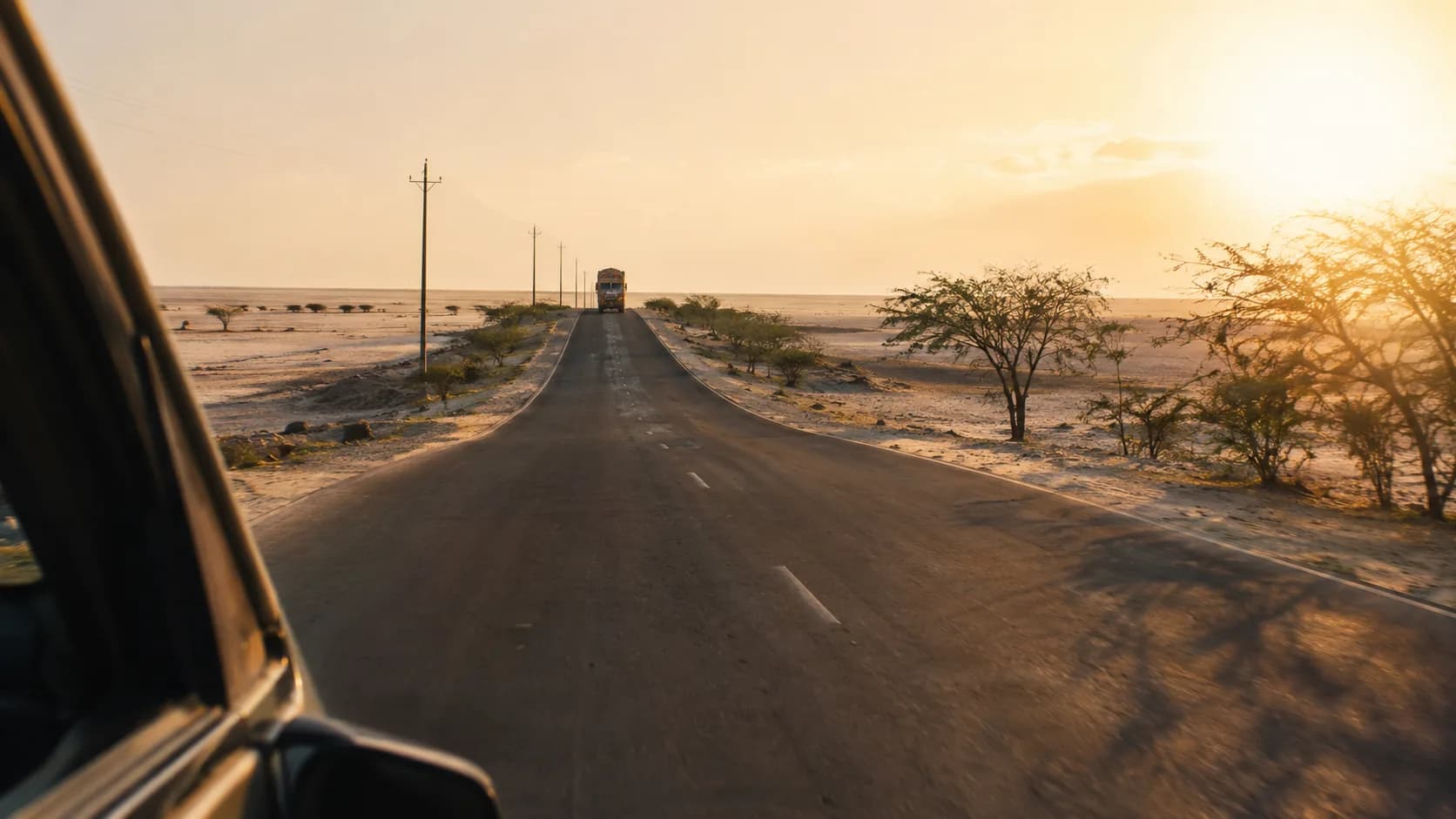
The single most important factor in Rann photography is timing your shoot for golden hour. In the hour after sunrise and the hour before sunset, the low sun bathes the salt in warm gold and pink, and long shadows give the flat landscape depth. Midday light is harsh and flattens everything, so reserve those hours for rest and save your serious shooting for the soft light at either end of the day. Arrive at your chosen spot early to claim a clean foreground before the crowds gather.
The Full Moon and Night Sky
Rann Utsav is timed around the full moon for good reason. On full moon nights, the white salt glows under the moonlight, creating an ethereal silver landscape that is utterly unlike the daytime scene. Photographing the moonlit Rann requires a steady hand or a tripod and a longer exposure, but the results are extraordinary, with the salt luminous and the sky deep and starry away from the moon's glare.
On darker nights around the new moon, the absence of light pollution makes the Rann a superb spot for astrophotography. The Milky Way arching over the salt flats is a bucket list image. Bring a tripod, set a long exposure, and let the desert sky reveal itself. Plan your trip around the lunar calendar depending on whether you want moonlit glow or starlit darkness.
Reflections After Rain
If you catch the Rann when a thin film of water lies on the salt, you unlock mirror photography at its finest. The wet surface reflects the sky perfectly, doubling sunsets and silhouettes. Shoot low to the ground to maximise the reflection, and use a figure walking through the shallow water for a striking, dreamlike composition.
Cultural and Colourful Spots
Beyond the salt, the festival itself is bursting with colour and character. The Tent City and the craft markets offer vibrant subjects: artisans at work, embroidered textiles, decorated camels, and folk performers in traditional dress. These add warmth and storytelling to a feed that might otherwise be all white minimalism. Ask politely before photographing people, engage with them, and you will come away with portraits full of genuine character.
Sunset camel rides on the salt make for iconic silhouette shots, with the animal and rider stark against the glowing sky. The decorated carts and the colourful handicraft stalls provide a riot of detail for close up shots and flat lays.
Reel Ideas to Try
For video, a few ideas consistently perform well. Try a slow walk away from the camera into the empty white, letting the scale unfold. Capture a sunset time lapse as the colours shift across the salt. Film a spin shot at golden hour with the horizon rotating around you. For the full moon, a static long shot of the silver landscape with gentle ambient sound is mesmerising. Pair your clips with a calm soundtrack and let the landscape carry the reel rather than over editing it.
Practical Tips for the Shoot
Protect your gear from the fine salt dust, which gets everywhere. Carry spare batteries, as the cold desert nights drain them faster. Bring a tripod for moonlit and night shots. Dress in colours that stand out against the white, as a bold red or yellow outfit transforms an ordinary frame into a striking one. And above all, put the camera down at times to simply experience the place, because the best images come when you are genuinely moved by what you see.
Plan your visit around the light and the moon, give yourself enough nights to catch different conditions, and the Rann will reward you with a feed unlike anyone else's. To check full moon dates and arrange your stay, call our team on +91 92747 30220.