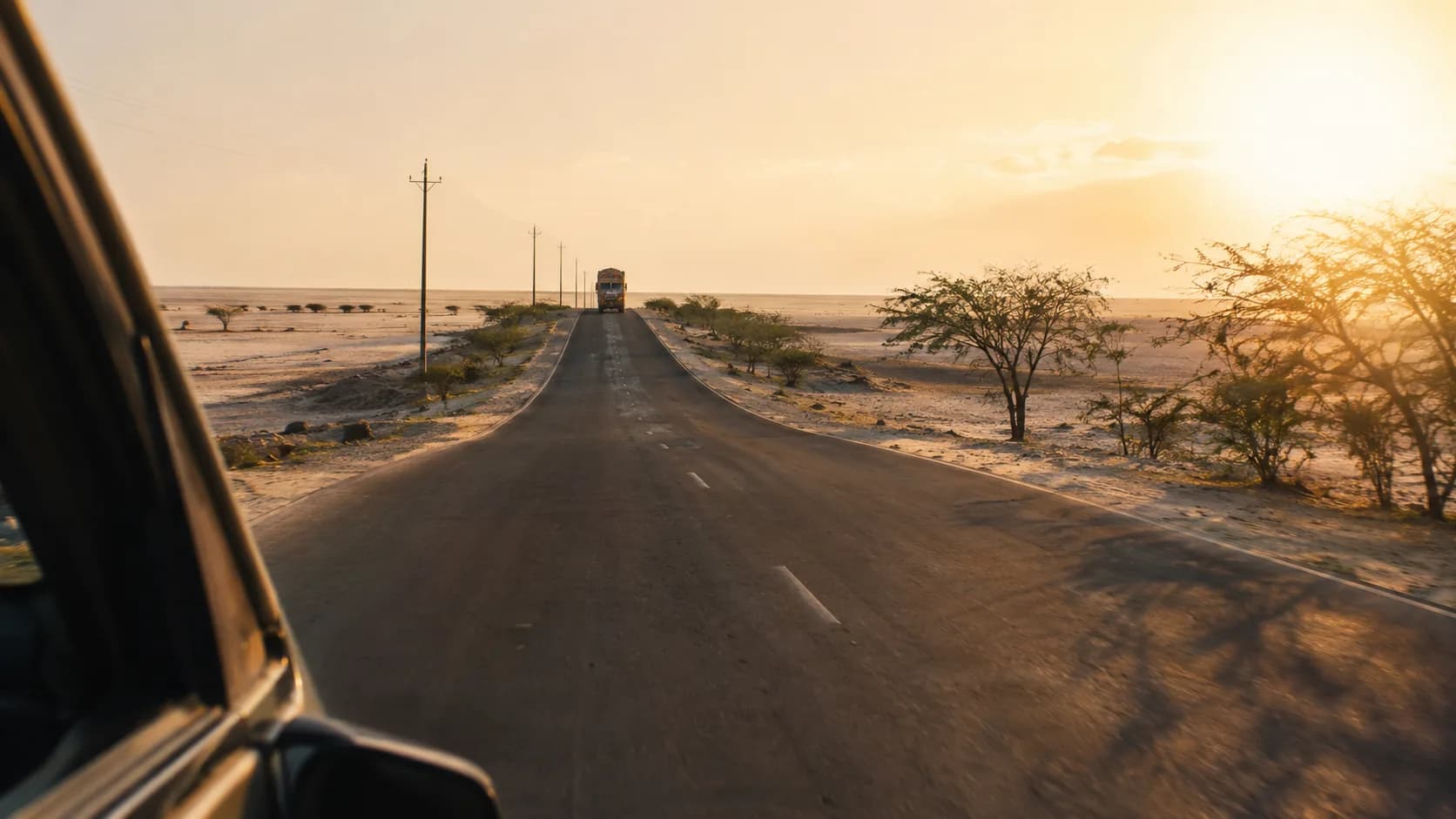
Two Deserts, Two Entirely Different Worlds
India is a country of extraordinary contrasts, and nowhere is this more apparent than in its deserts. Ask most travellers where to go for a desert experience in India and the answer is almost always Rajasthan — the Thar, Jaisalmer, Sam Sand Dunes, camel rides at sunset. It is a perfectly valid choice, and for good reason. But in the last decade, a second desert experience has quietly earned its place on the Indian traveller's bucket list: the Rann Utsav at the White Rann of Kutch in Gujarat.
These two destinations are both described as "desert experiences," yet they are so fundamentally different in character, landscape, culture, and atmosphere that comparing them is almost like comparing a mountain trek to a river cruise — the word "desert" barely covers it. This guide is for anyone who finds themselves genuinely torn between the two, or curious about how they stack up honestly against each other.
Whether you are planning a long winter holiday and considering both, or simply trying to decide where to spend your leave this season, read on.
Quick answer: choose Rann Utsav if you want a concentrated, festival-style trip with meals, activities and the cultural programme included in one tent-city stay from ₹6,300 per person; choose the Thar if you prefer a longer, more spread-out Rajasthan itinerary across Jaisalmer, Jodhpur and the dunes with more independent travel between stops.
Understanding the Thar Desert Experience
The Thar Desert is the world's seventeenth largest desert and covers much of western Rajasthan. Jaisalmer — the Golden City — is its most famous gateway, and the experience of visiting is well-established, well-documented, and beloved by generations of Indian and international travellers.
What the Thar Offers
The Thar is, first and foremost, a landscape of sand dunes. The Sam Sand Dunes near Jaisalmer are the most visited, but there are quieter alternatives at Khuri and Osian. The dunes rise and fall dramatically, casting extraordinary shadows in the late afternoon light. The colours range from pale gold to deep ochre depending on the time of day, and the experience of watching the sun set over them — often from the back of a camel — is genuinely one of the great travel experiences India offers.
But the Thar is not just about the landscape. Rajasthan has one of India's richest and most visible cultural traditions. The food — dal baati churma, ker sangri, laal maas — is distinctive and deeply satisfying. The music and dance traditions, particularly the Kalbelia and Manganiar folk forms, are mesmerising. The handicrafts — block printing, blue pottery, mirrorwork embroidery — are among the finest in the country. Jaisalmer itself, with its sandstone havelis, ancient fort, and winding lanes, is a medieval city that rewards hours of wandering.
The Thar is also warmer than Kutch in winter. December and January in Jaisalmer typically see daytime temperatures between fifteen and twenty-two degrees Celsius, dropping to around seven or eight degrees at night. It is cold, but rarely uncomfortably so, and the days are often pleasantly warm.
The Culture and Accessibility of Rajasthan
Rajasthan has decades of tourism infrastructure behind it. You will find accommodation options at every price point, from budget guesthouses to luxury heritage hotels and palatial tented camps. Getting to Jaisalmer is relatively straightforward — there are direct trains from Delhi, Jaipur, and Jodhpur, and the city is well-connected by road.
The Thar experience is, in a word, abundant. There is a great deal to do and see. For first-time travellers to India, or for those who want a comprehensive cultural immersion alongside their desert experience, Rajasthan offers an almost unparalleled combination.
Understanding the Rann Utsav Experience
The White Rann of Kutch is something else entirely. It is not a sand desert at all — it is a salt desert, a vast expanse of white crystalline salt that stretches to the horizon in every direction. The Rann is part of the Greater Rann of Kutch, one of the world's largest salt flats. The published 2026–27 Dhordo Tent City season runs from 1 November 2026 to 7 March 2027; confirm access and accommodation for your chosen dates.
What Makes the White Rann Unique
The landscape of the White Rann is unlike anything else in India. Where the Thar offers warm golden sand, the Rann offers cold, blinding white. Where the Thar has dunes that rise and fall, the Rann is almost perfectly flat — so flat that on a clear night, the salt reflects the stars above, creating the impression of floating between two skies. This mirror effect, particularly around the full moon, has made the White Rann one of the most photographed landscapes in the country.
The Rann Utsav is a cultural festival organised around this landscape. The tent city at Dhordo — a purpose-built village of luxury and standard tents — serves as the base, and from here visitors can take evening excursions onto the salt flat, watch traditional Kutchi folk performances, browse craft exhibitions featuring the distinctive local embroidery and weaving, and explore the broader region of Kutch.
Kutch has its own rich cultural identity, quite distinct from Rajasthan. The local crafts — Rann embroidery, Ajrakh block printing, Banni grassland weaving, copper bell making — are extraordinary, and many of them are endangered traditions kept alive partly through the tourism that Rann Utsav brings. The food, too, is distinctive: Kutchi dal dhokli, khaman, bajra rotla, and the local milk-based sweets are all worth seeking out.
The Festival Atmosphere
What the Rann Utsav offers that the Thar cannot is a curated, time-limited festival experience. The tent city is operational only during the winter months, and the combination of the white landscape, the cold desert air, and the cultural programme creates something that feels genuinely special — an event, not merely a destination. There are camel rides on the salt flat, hot air balloon rides, ATV tours, and folk performances each evening. For those who want more than sightseeing — who want to feel they are participating in something — the Rann Utsav delivers.
Packages start at ₹6,300 per person for a one-night, two-day stay, ₹12,600 for two nights and three days, and ₹18,900 for the full three-night, four-day experience. All packages include accommodation at the tent city, meals, and cultural activities. For bookings and queries, call +91 92747 30220.
Comparing the Two: Key Differences
Landscape Character
The Thar is warm, golden, and dynamic — a landscape of movement, with dunes shifting in the wind and camels silhouetted against an amber sky. The White Rann is cold, white, and still — a landscape of silence, where the horizon disappears and the sky seems to press down onto the earth. Neither is better; they are simply different experiences of what a desert can be.
Cultural Richness
Both destinations offer deep cultural experiences, but they are different in character. Rajasthan's culture is more accessible and more widely documented — there are more festivals, more heritage sites, more museums, and more established cultural circuits. Kutch is less visited and therefore feels more intimate. The craft traditions of Kutch are arguably even more endangered and therefore more precious, and the sense of discovering something relatively undiscovered is genuine.
Weather
The Thar is warmer. If cold weather is a concern — for elderly travellers, young children, or those who simply do not enjoy the cold — Jaisalmer in December may be preferable to the Rann, where temperatures on the salt flat can drop to three or four degrees Celsius after dark.
Accessibility and Infrastructure
Rajasthan wins on infrastructure and ease of travel. Jaisalmer is well-connected by rail and road. The Rann Utsav is accessible by air via Bhuj airport, with connecting flights from Mumbai and Ahmedabad, or by road from Ahmedabad (roughly five hours). Once at the tent city, however, everything is organised and accessible.
Crowds and Exclusivity
The Thar, particularly the Sam Sand Dunes, can feel crowded in peak season — December and January see significant tourist volumes, and the dunes can sometimes feel like a theme park. The Rann Utsav, while growing in popularity, still offers a more intimate experience, particularly if you visit on weekdays or avoid the peak festival dates around Diwali and New Year.
Can You Do Both in One Trip?
The short answer is yes, though it requires some planning. Gujarat and Rajasthan share a long border, and a combined Kutch-Rajasthan itinerary is perfectly feasible. A ten to twelve day trip could include two to three nights at Rann Utsav, a day in Bhuj to explore the city and its craft traditions, followed by travel to Jaisalmer for two to three nights, and perhaps Jodhpur or Jaipur at the end.
The two experiences complement each other rather than competing. The White Rann's stillness and otherworldly quality make a fine contrast to Rajasthan's warmth and cultural abundance, and travellers who have done both often say the contrast makes each experience richer.
Who Should Choose the Thar
The Thar desert experience is best suited to travellers who want a well-rounded cultural holiday with the desert as one component among many. If you have never been to Rajasthan and are visiting for the first time, the combination of Jaisalmer, Jodhpur, and Jaipur is one of India's great travel circuits. The Thar is also a better choice for those who prefer warmer weather, those travelling with young children who might find the Rann's cold nights difficult, and anyone who values established tourism infrastructure and a wide range of accommodation options.
Who Should Choose Rann Utsav
The Rann Utsav is best suited to travellers who want a genuinely unique experience — something they will not have encountered anywhere else in the world. If you have already done Rajasthan, or if you are looking for India's next great destination, the White Rann is it. It is also a better choice for those who value a curated festival atmosphere, who want to combine a landscape experience with cultural programming, and who are genuinely curious about the traditions of Kutch.
For couples looking for something romantic and extraordinary, the White Rann under a full moon is difficult to surpass. For families with older children who are curious and adventurous, the Rann Utsav offers a genuinely educational and memorable experience.
The Verdict
There is no universal winner here. The Thar and the White Rann are both exceptional destinations that reward the travellers who choose them. The question is simply which one suits you at this stage of your travel life.
If you are looking for your first desert experience, a broader cultural immersion, and warmer days, start with Rajasthan. If you have already done Rajasthan, or if you want something that will make you feel like you have genuinely discovered a corner of India that most people have not yet found, choose the Rann Utsav.
And if you can do both — do both.
To book your Rann Utsav package or to discuss which experience might suit you best, call +91 92747 30220. Packages start from ₹6,300 for one night and two days, with longer stays available at ₹12,600 and ₹18,900.