A Desert That Teems With Life
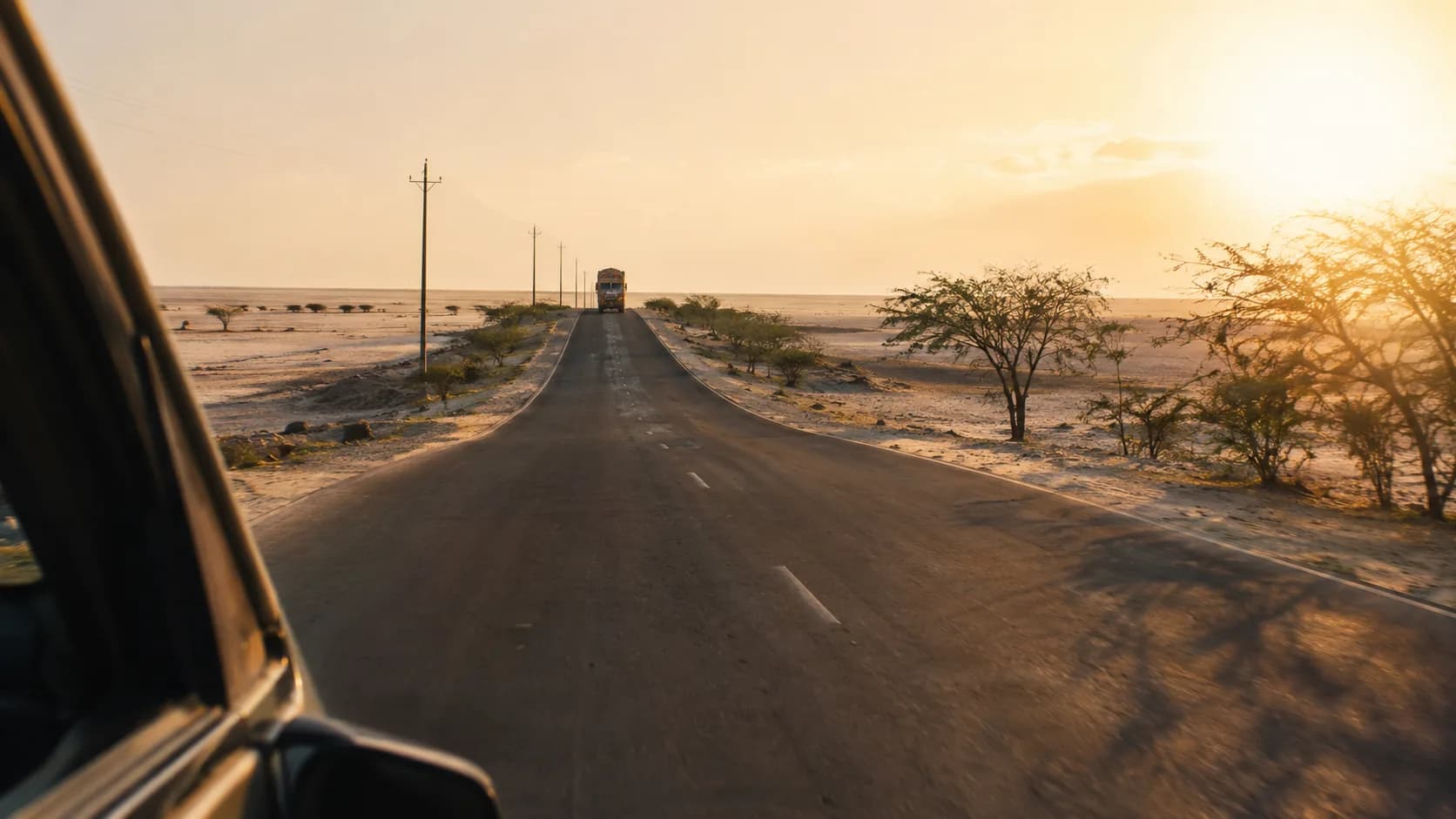
The Rann of Kutch looks, at first glance, like an empty expanse of white salt and dry grassland. Yet this landscape is one of the richest wildlife regions in western India, home to creatures found almost nowhere else and to winter visitors that arrive in their thousands. For travellers attending Rann Utsav, the festival is not only about the salt desert and cultural evenings; it is a chance to witness flamingos wheeling overhead, the rare Indian wild ass cantering across the plains, and a grassland alive with birds. The cool festival season coincides perfectly with the peak wildlife months, making it an ideal time to look beyond the Tent City.
This guide introduces the key species and the sanctuaries that protect them, and explains how to weave a wildlife experience into your festival trip. Our packages start at ₹6,300 per person for one night, with longer stays at ₹12,600 and ₹18,900 that give you more time to explore the wider Kutch landscape.
Flamingos and the Winter Wetlands
When the monsoon water that floods the Rann recedes, it leaves behind shallow wetlands and saline pools that draw flamingos in spectacular numbers. Both greater and lesser flamingos gather here, wading through the shimmering shallows and lifting off in great pink clouds when startled. The sight of a flamingo flock against the white salt and the soft winter light is among the most memorable in all of Kutch.
The famous breeding ground known as Flamingo City lies deep within the Great Rann and is sensitive and seasonal, but flamingos can be spotted across many of the region's wetlands during the festival months. Early morning is the best time to watch them, when the light is gentle and the birds are most active. A quiet approach and patience reward you with close views of these elegant waders going about their morning feeding.
Other Winter Migrants
Flamingos are only the headline act. The wetlands and grasslands of Kutch host pelicans, cranes, storks, ducks and a host of waders that migrate here for the winter. For birdwatchers, the diversity is remarkable, and a morning with binoculars can turn up dozens of species. Even casual visitors find the sheer abundance of birdlife striking, especially around water bodies in the early hours.
The Indian Wild Ass of the Little Rann
While the Great Rann hosts the festival, the neighbouring Little Rann of Kutch is the realm of the Indian wild ass, a creature that survives in significant numbers almost nowhere else on earth. The Wild Ass Sanctuary protects this handsome animal, which races across the flat saline plains in small herds. Sandy brown with a darker mane and stripe, the wild ass is fast and wary, and seeing a herd break into a gallop across the open ground is a thrilling sight.
The Little Rann is a separate landscape from the Dhordo festival site and requires a dedicated excursion, but for wildlife enthusiasts it is well worth the effort. The sanctuary also shelters other mammals such as nilgai, chinkara and desert foxes, along with rich birdlife, so a safari here delivers far more than the wild ass alone.
Planning a Wild Ass Safari
A wild ass safari is typically arranged from the towns bordering the Little Rann, and it makes a strong addition to a longer Kutch itinerary. Combining a festival stay at Dhordo with a couple of days exploring the Little Rann gives you the full breadth of the region's wildlife. Early morning and late afternoon are the best times for sightings, when the animals are active and the light is good for photography.
The Banni Grassland
Stretching between Bhuj and the salt desert, the Banni grassland is one of Asia's largest tropical grasslands and a wildlife treasure in its own right. You cross it on the road from Bhuj to Dhordo, but it deserves more than a passing glance. Banni is grazing land for the famous Kutchi buffalo and home to pastoral communities, and it teems with raptors, larks, and other grassland birds. Harriers quarter the grass in winter, and the wide skies make for superb birdwatching.
Banni is also one of the better places in India to look for desert wildlife such as foxes, jackals and, with luck and a knowledgeable guide, the elusive striped hyena or even a desert cat. A dawn or dusk drive through the grassland, away from the festival crowds, reveals a side of Kutch that many visitors miss entirely.
Chhari Dhand and Other Hotspots
Within the Banni region lies Chhari Dhand, a seasonal wetland that becomes a magnet for waterbirds and raptors when it holds water in winter. It is a celebrated birdwatching site and a haven for migratory species. Visiting requires planning and ideally a local guide, but for serious birders it is a highlight of the Kutch calendar. These hotspots reward those who venture beyond the standard festival route with sightings that justify the early starts.
Weaving Wildlife Into Your Festival Trip
You do not need to be a dedicated naturalist to enjoy the wildlife of Kutch. Even a single early morning drive across the Banni grassland or a visit to a nearby wetland adds a rich natural dimension to a festival holiday built around the salt desert. For those who want more, extending your stay to include a Little Rann safari brings the wild ass and its sanctuary within reach.
The cool festival months are the prime wildlife season, so your timing is already ideal. Carry binoculars, set out early, move quietly, and let a local guide steer you to the best spots. To extend your stay or arrange wildlife excursions alongside your festival package, call our team on +91 92747 30220.