When Two Extraordinary Landscapes Compete for Your Winter Break
India offers winter travellers a remarkable range of landscapes, but few comparisons generate more interest — or more confusion — than the one between Rann Utsav and Spiti Valley. On the surface, the comparison seems strange: one is a salt desert festival in Gujarat, the other is a high-altitude Himalayan valley in Himachal Pradesh. Yet both attract a similar kind of traveller — someone who wants more than a beach holiday, someone who is drawn to landscapes that feel genuinely remote and otherworldly.
This comparison is for that traveller. If you are planning a winter escape and have found yourself looking at both destinations, this guide will help you decide which one suits you this year.
Spiti Valley in Winter: The Full Picture
Spiti Valley is one of India's most dramatically beautiful destinations in any season, but winter takes it to an extreme that is not for everyone. Located at an average altitude of around 3,800 metres above sea level, Spiti in December and January is genuinely harsh. Temperatures drop to minus twenty degrees Celsius or below at night. Snow closes many roads, and some villages become accessible only by foot. The landscape is stark, almost lunar — brown mountains stripped bare, ancient monasteries perched on cliffsides, the Spiti River frozen in sections.
For the right kind of traveller, this is exactly the appeal. Spiti in winter is India at its most austere and its most beautiful. The crowds of summer and early autumn are gone. The monasteries — Key, Tabo, Dhankar — feel genuinely remote and sacred. The local communities, predominantly Buddhist, are warm and welcoming. The food is simple but warming — thukpa, momos, butter tea. And the wildlife opportunities are extraordinary: winter is the best time to spot the snow leopard, and several operators in Kaza offer guided snow leopard tracking expeditions.
The Accessibility Challenge
Here is the honest part that many Spiti travel guides understate: getting there in winter is genuinely difficult. The Rohtang Pass and the Kunzum Pass — the two main road routes into Spiti — are both closed in winter. The only land route available is via Shimla and the Hindustan-Tibet Highway, a journey of at least twelve to fourteen hours from Shimla in good conditions, considerably more in winter when the road becomes treacherous.
There is no airport in Spiti Valley. The nearest airport is at Kullu-Manali or Shimla, and from either, you are still looking at a day's drive at minimum. Some travellers find this journey part of the experience — and it genuinely can be spectacular. But for those with limited time, elderly travel companions, or any medical concern about altitude, it is a significant undertaking.
Altitude sickness is a real consideration. At 3,800 metres and above, many travellers experience symptoms ranging from mild headaches to severe altitude-related illness. Acclimatisation requires time, and winter is not the season for rushing the ascent.
Who Spiti is For
Spiti in winter is for experienced travellers who are physically fit, comfortable with genuine discomfort, and drawn to adventure for its own sake. It rewards patience, flexibility, and a high tolerance for cold. It is not a family destination in winter, and it is not for anyone who has health concerns related to cold or altitude. But for those who match this description, it is one of the most extraordinary destinations in the world.
Rann Utsav in Winter: The Full Picture
Rann Utsav takes place around the White Rann of Kutch, a vast salt desert in Gujarat. The published 2026–27 Dhordo Tent City season runs from 1 November 2026 to 7 March 2027. Accommodation and meal plans vary by selected provider and tent category, so check the exact facilities and services in your quote.
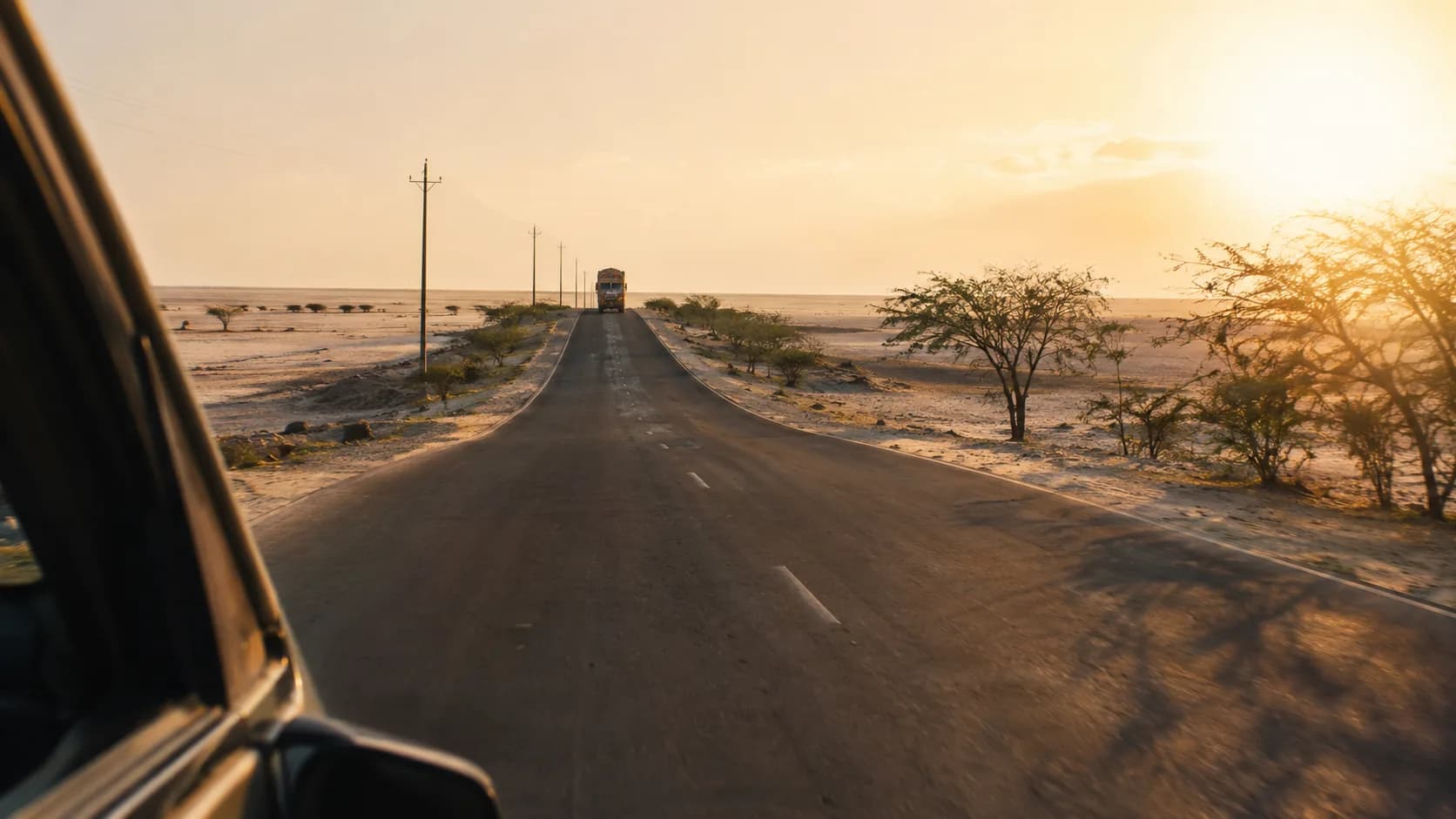
The landscape of the White Rann is the opposite of Spiti's in almost every way. Where Spiti is vertical and dramatic — mountains, cliffs, narrow valleys — the Rann is horizontal and limitless. It stretches flat and white to every horizon, a vast emptiness that has a meditative, almost hypnotic quality. On a full moon night, the salt reflects the light above and the boundary between earth and sky disappears.
The cultural dimension of Rann Utsav is substantial. The festival is built around the traditions of Kutch — one of India's richest craft regions, with embroidery, weaving, block printing, bell making, and pottery traditions that have developed over centuries. Each evening at the tent city, folk performers present music and dance. During the day, craft markets and cultural exhibitions allow visitors to engage with these traditions directly.
Accessibility and Comfort
Getting to Rann Utsav is considerably easier than getting to Spiti in winter. Bhuj has an airport with regular connecting flights from Mumbai and Ahmedabad, and from Bhuj, the tent city at Dhordo is approximately an hour and a half by road. The entire journey from most Indian cities can be completed in a single day. There are no altitude concerns. The roads are good and reliable.
Once at the tent city, the experience is curated and comfortable. You are not roughing it — the accommodation is well-appointed, the meals are proper and plentiful, and the cultural programme is organised. This does not diminish the experience; it simply means that a much wider range of travellers can access it.
Packages are available from ₹6,300 for one night and two days, rising to ₹12,600 for two nights and three days, and ₹18,900 for three nights and four days. For group bookings or to discuss specific requirements, call +91 92747 30220.
Weather at Rann Utsav
The Rann is cold in winter — cold enough to surprise first-time visitors who associate Gujarat with warmth. December and January nights on the salt flat can drop to three or four degrees Celsius, and the wind across the open desert makes it feel colder still. However, daytime temperatures are comfortable — typically fifteen to twenty degrees Celsius with bright sunshine. It is cold-weather travelling, but accessible cold-weather travelling.
A Direct Comparison
Landscape Character
These two landscapes are among the most distinctive in India, and they produce entirely different emotional responses. Spiti's drama is vertical and ancient — it makes you feel small against geological time. The Rann's drama is horizontal and meditative — it makes you feel suspended in space. Both are extraordinary; they are simply different kinds of extraordinary.
Adventure and Difficulty
Spiti in winter is a genuine adventure with genuine discomfort and real logistical challenges. The difficulty is part of the appeal for many travellers. Rann Utsav is adventurous in spirit but accessible in practice — you can dress warmly, step onto the salt flat, and feel genuinely transported without having spent two days on a mountain road.
Cultural Experience
The Rann Utsav is richer in organised cultural programming. Spiti's cultural experience is deep but quiet — you absorb it through monastery visits, conversations with locals, and the general texture of life in a Buddhist community. Neither is superior; they are different modes of cultural engagement.
Wildlife
Spiti in winter offers the remarkable possibility of snow leopard sightings. The Rann of Kutch is home to the Indian wild ass (khur), flamingoes, and a variety of migratory birds — extraordinary in their own right, though a different kind of wildlife encounter.
Accessibility and Risk
This is the clearest differential. Rann Utsav is accessible to almost anyone — children, elderly travellers, those with moderate fitness, families, couples, groups. Spiti in winter is accessible only to fit, experienced travellers who are prepared for significant logistical challenge and genuine physical discomfort. There is no middle ground here.
Who Should Choose Spiti in Winter
Choose Spiti if you are a seasoned traveller, physically fit, untroubled by cold and altitude, and drawn specifically to the challenge and beauty of a Himalayan winter. Choose it if you want to see snow leopards, explore ancient Buddhist monasteries in near-solitude, or experience India at its most austere and remote. Do not choose it if you have any altitude-related health concerns, are travelling with children or elderly companions, or are working with a tight itinerary.
Who Should Choose Rann Utsav
Choose Rann Utsav if you want a genuinely unique and extraordinary landscape experience that is accessible without being mundane. Choose it if you want cultural depth alongside natural beauty, if you are travelling with family or a mixed-age group, or if you have limited time and need a destination you can reach and enjoy within a few days. Choose it if you want to experience one of India's great living folk traditions and return home with something more than photographs.
The Verdict
Spiti and Rann Utsav are not really competitors — they serve different travellers with different appetites and different capacities for difficulty. Spiti in winter is one of India's great adventures but is genuinely demanding. Rann Utsav is one of India's great experiences and is available to almost everyone.
If you want to be challenged, go to Spiti. If you want to be moved, go to the White Rann. And if you want to be moved without being challenged beyond your limits, the answer is clear.
To explore Rann Utsav package options, visit the packages page or call +91 92747 30220.