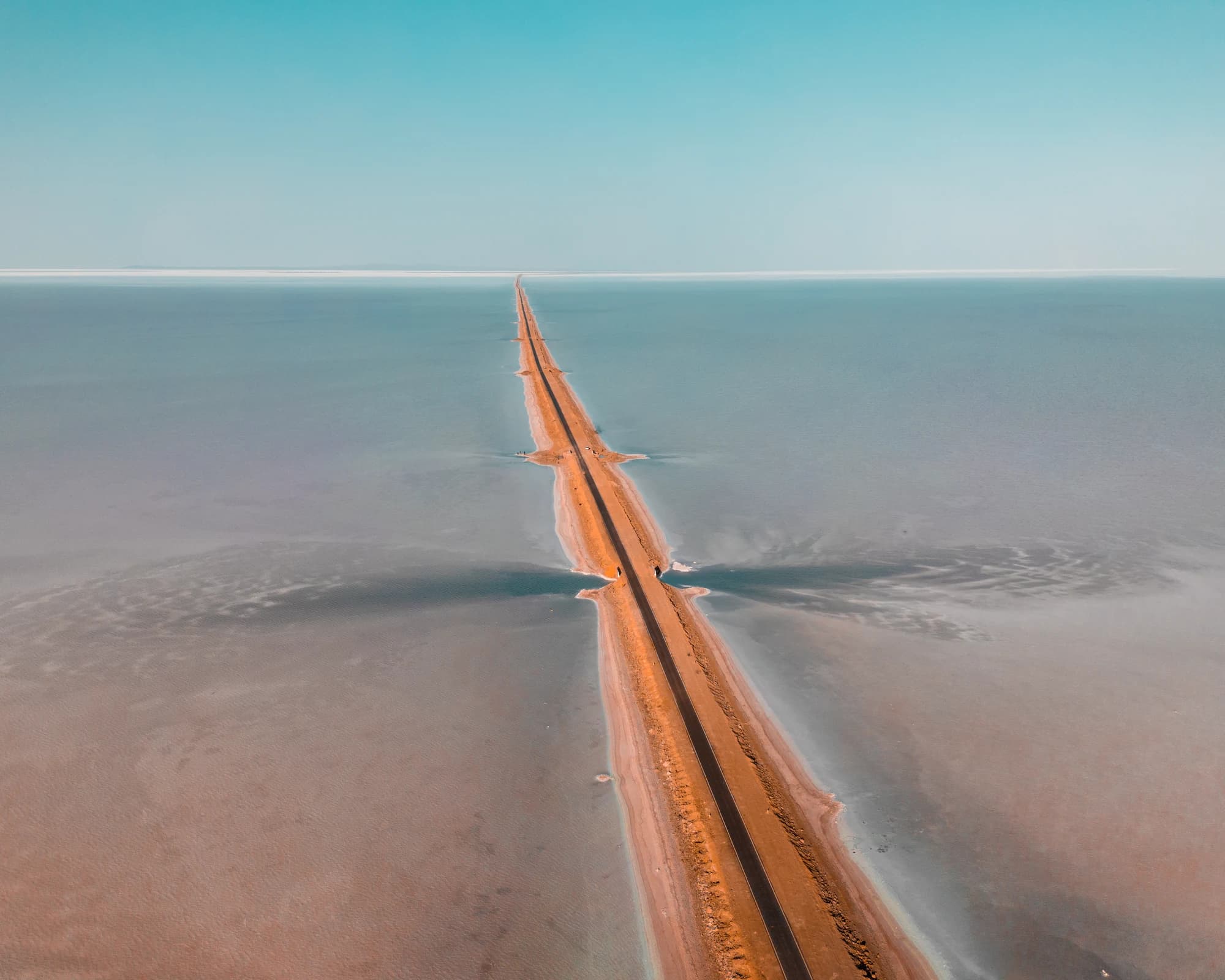
Every visitor to Rann Utsav arrives with the same photograph in mind: a flat, blinding white expanse running to the horizon, cracked into a mosaic of pale hexagons, luminous under a full moon. It is the single image that sells the festival — the one on the postcards, the one everyone poses on at sunset. What far fewer visitors know is that this whiteness is not entirely a gift of geology. For six months of every year, long before the tents are pitched and the folk musicians take the stage, a community called the Agariyas is out there in the heat, working the same crust of land into the salt that gives the Rann its name and its colour.
This is their story — not as a curiosity for the itinerary, but as context that changes how you see the ground beneath your feet at Dhordo and Dholavira.
Who Are the Agariyas
The word Agariya comes from *agar*, meaning salt pan, and it describes a community of traditional salt farmers found across the Little Rann and Great Rann of Kutch, in the Banni grasslands' periphery and the vast seasonal wetlands that surround it. Most Agariyas belong to Scheduled Caste or Other Backward Class groups, and salt-making has been their inherited occupation for generations — some accounts trace the trade back well over a century in this exact stretch of Gujarat. Estimates vary, but tens of thousands of Agariya families are believed to depend on inland salt production across the Rann region today, making it one of the largest informal salt-producing workforces in India.
Unlike coastal salt workers, who harvest from seawater along a shoreline, Agariyas draw their brine from underground. Beneath the crust of the Rann sits a natural reservoir of saline groundwater, a legacy of the area's geological history as a shallow arm of the Arabian Sea that silted up over millennia. The Agariyas sink bore wells into this aquifer, pump the brine to the surface, and let the desert itself do the rest of the work — sun and wind evaporating the water until crystals form.
It is this same underground brine, and the same evaporation process, that produces the pale, mineral-crusted surface Rann Utsav is built on. The visual spectacle and the industry are not two separate things happening to coincide in the same place. They are the same phenomenon, viewed from different angles.
Six Months on the Pans
What makes the Agariya way of life distinctive — and difficult — is its seasonal, almost migratory rhythm. When the monsoon recedes around October, families pack up their village homes and move out onto the Rann itself, setting up temporary huts directly beside their allotted salt pans. There they will stay, largely in isolation, until the pre-monsoon heat of the following May or June makes the work impossible and the site itself becomes unsafe as rains threaten to flood the flats.
This window overlaps almost exactly with the Rann Utsav season. When you drive out from Dhordo towards the White Rann viewing point in December or January, the tent city and the salt pans are operating at the same time, often within sight of one another, though visitor routes are generally kept separate from active work sites for safety and practical reasons.
Life on the pans during these months is genuinely remote. Many Agariya families live many kilometres from the nearest village, school, clinic, or market, with no reliable electricity or piped water at the work site itself. Children are frequently taken out of school for the season or left behind with relatives, which has long been a point of concern raised by researchers and welfare organisations working in the region. Wells for drinking water are often shared or trucked in. It is, by any measure, a hard six months — chosen not for adventure but because salt farming has historically been one of the only livelihoods available on this land, which is too saline for conventional agriculture and too remote for most other industries.
How the Salt Is Made
The process itself is deceptively simple in description and demanding in execution. Once a family's plot — typically allotted informally or through cooperative arrangements — is marked out, a series of shallow rectangular pans is prepared and levelled by hand. Brine is pumped up from bore wells sunk twenty to thirty feet or more into the aquifer below, using diesel pumps that the family must fuel and maintain themselves.
The brine is channelled from a reservoir pan into a sequence of shallower crystallising pans, where it is left to evaporate under the fierce, dry heat of the Kutch winter and spring. As the water reduces, salt begins to crystallise on the pan floor. Workers rake and turn the crystallising salt periodically to encourage even formation and prevent contamination, walking barefoot or in basic protective footwear across surfaces that reflect brutal heat and, for parts of the season, glare intense enough to damage eyesight over years of exposure. Skin conditions, eye problems, and joint damage from standing for long hours in saline water are common and well documented among long-term salt workers in this region.
Once crystallised, the salt is heaped, dried further, and eventually loaded for transport to processing units, where it may be refined for edible use or treated further for industrial applications — the Kutch region is one of India's most significant sources of inland salt, feeding both domestic tables and industrial supply chains including chemical manufacturing.
The Economics of an Invisible Industry
Despite producing a commodity used nationwide, Agariya families have historically operated with very little bargaining power. Much of the trade runs through intermediaries and traders who advance loans for diesel, pump maintenance, and living costs at the start of the season, to be repaid from the salt harvest — an arrangement that can leave families with thin margins regardless of how much salt they produce, and vulnerable to debt cycles that persist across generations. Diesel costs, a primary input, have risen substantially over the decades, squeezing margins further even as the physical labour remains unchanged.
In recent years, government schemes, cooperative initiatives, and non-profit organisations working in Kutch have made efforts to improve conditions — solar pump subsidies to cut diesel dependence, mobile health camps, and support for children's schooling during the salt season among them. Progress has been real but uneven, and the fundamental hardship of the work — heat, isolation, and economic precarity — remains a defining feature of Agariya life.
Why This Belongs in Your Understanding of Rann Utsav
None of this is offered as a detour from your trip planning — it is, in a real sense, part of it. The Rann's famous whiteness is not simply weathered mineral crust; across large sections of the flat, it is the visible residue of an active, ongoing industry, worked by people who live and labour on land most visitors experience for a few photographed hours at dusk. Recognising this does not require altering your itinerary or seeking out a salt pan tour — Rann Utsav is, appropriately, a festival built around hospitality, culture, and landscape, not an industrial visit. But understanding what produces the ground you are standing on adds a layer of respect to the experience that a purely scenic view cannot.
It also connects to the wider ecological and cultural fabric of the region that makes a Rann Utsav trip worth taking seriously in the first place — the same saline flats that support Agariya livelihoods also shape the unique habitat that draws flamingos and the Indian wild ass to the Rann's fringes, and the same land divides, geologically and administratively, into the Little Rann and Great Rann that first-time visitors often confuse. The Agariyas are not a footnote to that landscape. They are one of the reasons it looks the way it does.
A Respectful Way to Engage
If you want your visit to carry this awareness a little further, a few simple habits help. Stick to designated viewing routes and paths at both Dhordo and Dholavira rather than wandering onto unmarked flats, both for your own safety near old bore wells and pans and out of respect for active work areas. If your guide or resort points out salt-pan activity in the distance, treat it as worth a genuine question rather than a passing curiosity. And if you are travelling with older children, this is a good, ungimmicky way to introduce them to the idea that a beautiful landscape can also be someone's workplace — a small but real piece of cultural literacy to bring home from Kutch, alongside the photographs.
The white desert will still take your breath away at sunset. Knowing whose hands helped shape it only makes the view more honest.
To arrange a visit that includes time with the Agariya community alongside your Tent City stay, call our team on +91 92747 30220. Packages start from ₹6,300 per person for a one night, two day stay.