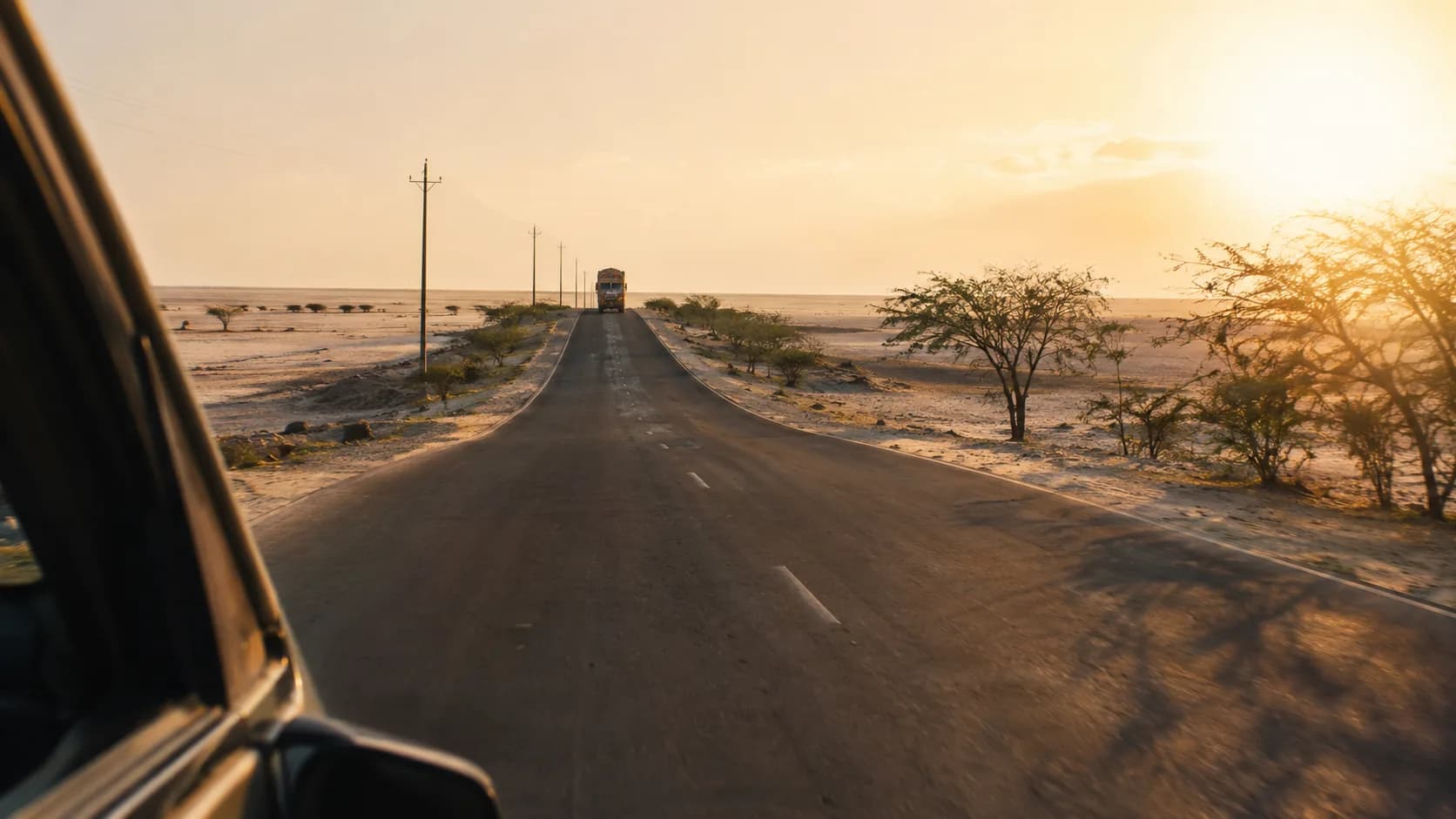
The Pink Spectacle of the Kutch Wetlands
Few sights match the drama of thousands of flamingos wading through a shallow Kutch wetland, their pink and white plumage glowing against the muted browns of the desert. While Rann Utsav is celebrated for its white salt and cultural festivities, the wider Kutch region is one of India's finest flamingo destinations, and a short detour from the festival can reward birdwatchers with an unforgettable spectacle. This guide explains where to find the flamingos, the best time to see them, and how to make the most of a birdwatching outing alongside your Rann Utsav trip.
Kutch supports both the greater flamingo and the lesser flamingo, and during winter their numbers swell as migratory birds join the resident populations. The region's shallow saline wetlands, fed by seasonal water, provide the algae and tiny crustaceans that give flamingos their distinctive pink colour, making Kutch one of the most reliable places in the country to see large congregations.
Where to See Flamingos Near Rann Utsav
Chhari Dhand Wetland Conservation Reserve
Chhari Dhand, located in the Banni grasslands not far from the Great Rann, is one of the premier birdwatching sites in Kutch. This seasonal wetland fills during a good monsoon and attracts an astonishing variety of birds in winter, including flamingos, pelicans, cranes, raptors and countless waterfowl. For serious birders staying at Rann Utsav, a dawn visit to Chhari Dhand can produce a long list of species in a single morning. The reserve is best explored with a local guide who knows where the water and the birds are concentrated in any given season.
The Banni Grasslands
The Banni grasslands surrounding the Great Rann are themselves rich in birdlife, and the seasonal pools that form here draw flamingos and many other species. Driving through Banni at dawn or dusk, you may encounter flamingos feeding in the shallows alongside larks, harriers and other grassland and wetland birds. This area is convenient for Rann Utsav visitors because it lies on the route between Bhuj and Dhordo, allowing a birdwatching stop without a major detour.
The Greater Rann of Kutch Flats
After the monsoon, when shallow water still lingers on parts of the Great Rann before it fully dries, flamingos sometimes gather on the flats themselves. Early in the festival season, in November, you may be lucky enough to see them on the edges of the salt desert. As winter deepens and the water recedes, the birds move to wetlands that retain water, so the timing of your visit affects where you will find them.
The Little Rann and Coastal Wetlands
For the most dedicated flamingo enthusiasts, the Little Rann of Kutch and the coastal wetlands of the Gulf of Kutch offer further opportunities, including the famous flamingo congregations near areas such as the Gulf coast. These require a longer journey from Rann Utsav and are best for travellers building a dedicated wildlife extension to their trip rather than a quick morning outing.
The Best Time for Flamingo Watching
Flamingo watching in Kutch peaks in winter, which conveniently overlaps with the Rann Utsav season from November to February. Early winter, soon after the monsoon, often sees the largest spread of water and therefore the widest distribution of birds, while the heart of winter concentrates them in the wetlands that retain water. December to February is generally the most reliable window, with cool, clear mornings ideal for observation and photography.
The best time of day is unquestionably early morning, from first light until a couple of hours after sunrise, when the birds are most active and the light is soft and golden. Late afternoon, as the day cools towards sunset, is the second-best window. Avoid the harsh midday hours, when the heat haze rises off the flats and the birds are less active. A still, windless morning offers the bonus of mirror reflections on the water, doubling the visual impact of a flamingo flock.
Birdwatching Tips for Beginners and Enthusiasts
Bring binoculars, as flamingos and other waterbirds often keep a cautious distance, and a pair of binoculars transforms distant pink smudges into clear, detailed birds. A camera with a telephoto lens is invaluable for photography, since approaching too closely will flush the flock. Wear muted clothing in browns and greens to blend in, move slowly and quietly, and avoid sudden movements that might startle the birds.
Hiring a local guide pays dividends, because the wetlands shift from year to year and a guide knows where the water and the birds are concentrated this season. Carry water, sunscreen and a hat, dress in warm layers for the cold dawn, and allow plenty of time, as patient, unhurried observation is the key to good birdwatching. Most importantly, keep a respectful distance and never chase or disturb the flocks, both for the birds' welfare and for the quality of your own sightings.
Combining Flamingos With Your Rann Utsav Trip
A flamingo outing slots neatly into a Rann Utsav itinerary. A two-night, three-day package gives you enough time to dedicate one early morning to birdwatching at Chhari Dhand or the Banni grasslands while still enjoying the salt desert, cultural shows and activities on the other days. Pairing the white desert at sunset with the pink flocks at dawn makes for a wonderfully varied trip that captures both the cultural and natural riches of Kutch.
If you would like to add a guided birdwatching morning to your festival stay, ask our team about available local guides and routes for your dates. The published one-night Non-AC Swiss Cottage package starts at ₹6,300 per person, twin-sharing and excluding applicable GST; call +91 92747 30220 to discuss a trip that combines the salt desert with the wetlands.